Notes from the timeline.
One question per piece, answered properly: what editing costs and why, how to brief it, and what changes when the cut is right.
Categories
Pricing & Briefs6
Hourly, Day Rate or Per Project: How Editors Actually Charge
Three billing models, three different incentives, and the one that quietly punishes every editor who gets faster at their job.
What to Send Your Editor: A Footage Handover Checklist
Most delayed edits are not slow edits. They are edits that started late, because the drive arrived with the wrong files. Here is the list that avoids that.
How to Brief a Video Editor So You Do Not Pay for Revisions
A good brief is not a longer brief. It is four decisions made before the first cut exists, and making them costs an hour and saves a week of notes.
How Long Does It Take to Edit a 30-Second Ad?
Thirty seconds is not a small job. Here is where the days actually go, broken down by stage, so you can plan a launch date that survives contact with editing.
"Rate On Request" Is a Bad Answer: What I Charge Instead
Hiding your rate does not make you look expensive. It makes you look like a risk, and wastes the one advantage a specialist has: being quick to say yes or no.
How Much Does Video Editing Cost? Real Numbers, Not Ranges
Most editors answer this with "it depends". It does depend, but on four things you can count, and once you can count them you get a number, not a range.
Editing Craft7
Editing Vertical Without Cropping Your Framing to Death
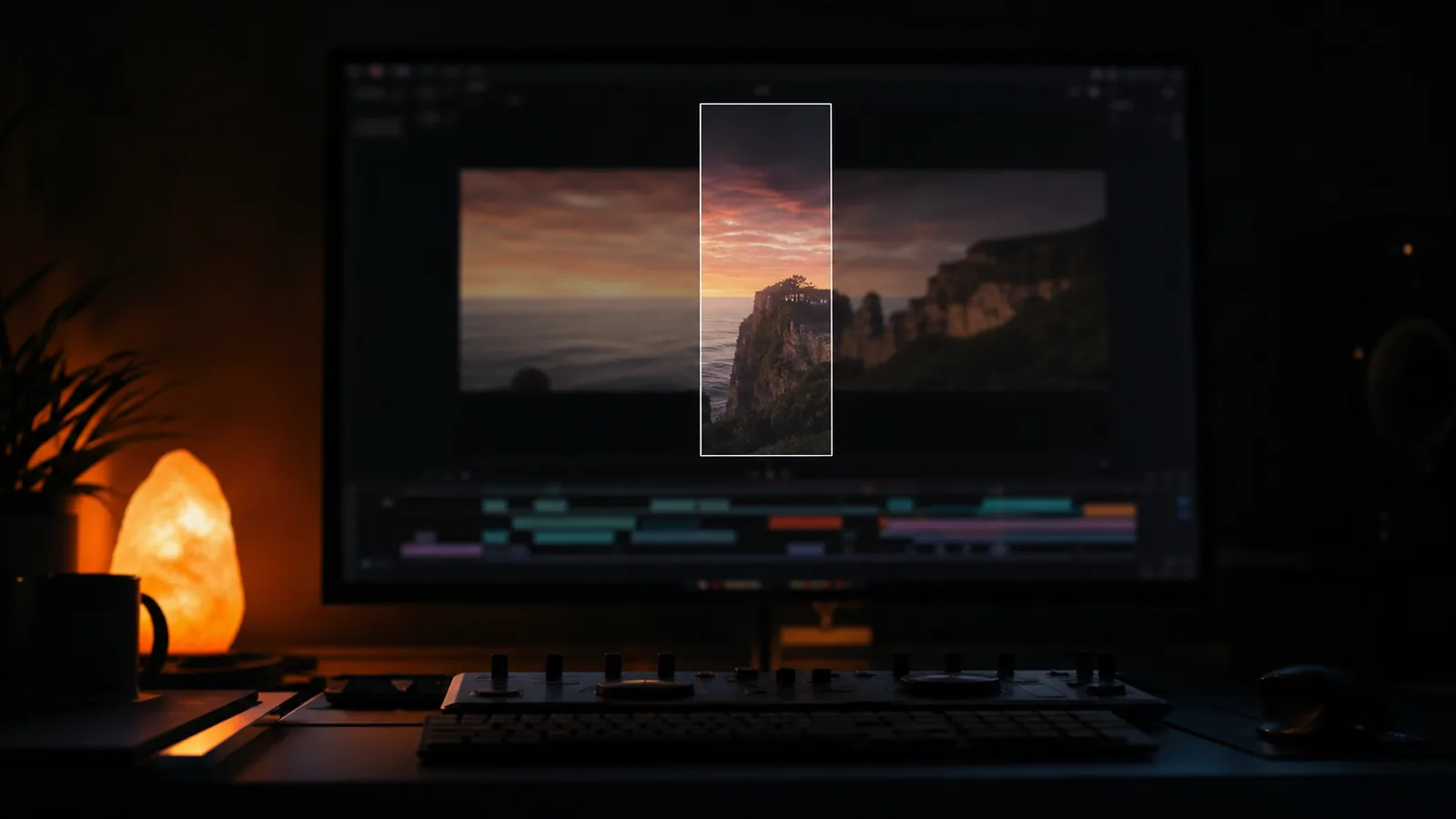
Vertical is not a crop. It is a different frame with a different composition, and treating it as an export setting is why most vertical cuts look like the middle of something.
How to Edit an Interview Without It Feeling Like an Interview
An interview is a transcript problem before it is an editing problem. Cut the words first, then the pictures, and the film stops sounding like a transcript being read out.
The Rough Cut Nobody Sees, and Why It Matters
The rough cut is not a bad version of the film. It is the argument of the film, made cheaply so it can be thrown away, and skipping it is why projects run long.
Your Video Is Too Long. Here Is What to Cut.
Almost every film is longer than it needs to be, and the cuts that fix it are not in the middle. They are in five places, and four of them are at the edges.
Cutting to Music Without Making It a Music Video
Cutting on every beat is a technique, not a style. Here is when the music should drive the edit, when it should follow it, and how to tell the difference.
The Case Against Transitions
A transition is a way of hiding a cut. Which raises the question the effect panel never asks: why is the cut being hidden?
Pacing: When to Hold a Shot and When to Cut
Cutting on the beat is easy. The hard part is knowing the three places a shot must be held, and four excuses for cutting that make a film feel nervous.
Premiere & Resolve10
What to Put in a Delivery Spec Before the Shoot
Every specification that gets decided after the edit costs a day. These are the ones worth settling before anyone picks up a camera, and they take ten minutes.
Storage for Editors: What to Keep, What to Archive, What to Bin
Storage is a policy, not a purchase. The three-tier rule, what has to be online, and the files that are safe to delete the day the job is signed off.
Proxies, and Why Your Timeline Stutters
If playback is dropping frames, the answer is almost never a faster machine. It is four avoidable causes, and the last one is the one everybody fixes first.
Auto-Transcription and Subtitles: What Is Good Enough in 2026
Automatic transcription is now good enough to be the first pass on almost everything. It is not good enough to be the last one, and knowing which is which saves a day a week.
Premiere Pro Extensions and Small Tools Worth Having
Not the effects, the furniture. The panels and utilities that remove repeated work, which is where most of the time in a long edit actually goes.
After Effects Plugins and Presets Worth Installing
The free ones that earn a permanent place, the paid ones that are worth the licence, and the ones that look impressive and cost a day a month in update problems.
Where to Get LUTs That Are Actually Good
A LUT is a colour decision someone else made for footage they never saw. Here is how to sort the useful ones from the ones that will ruin your footage, with real sources.
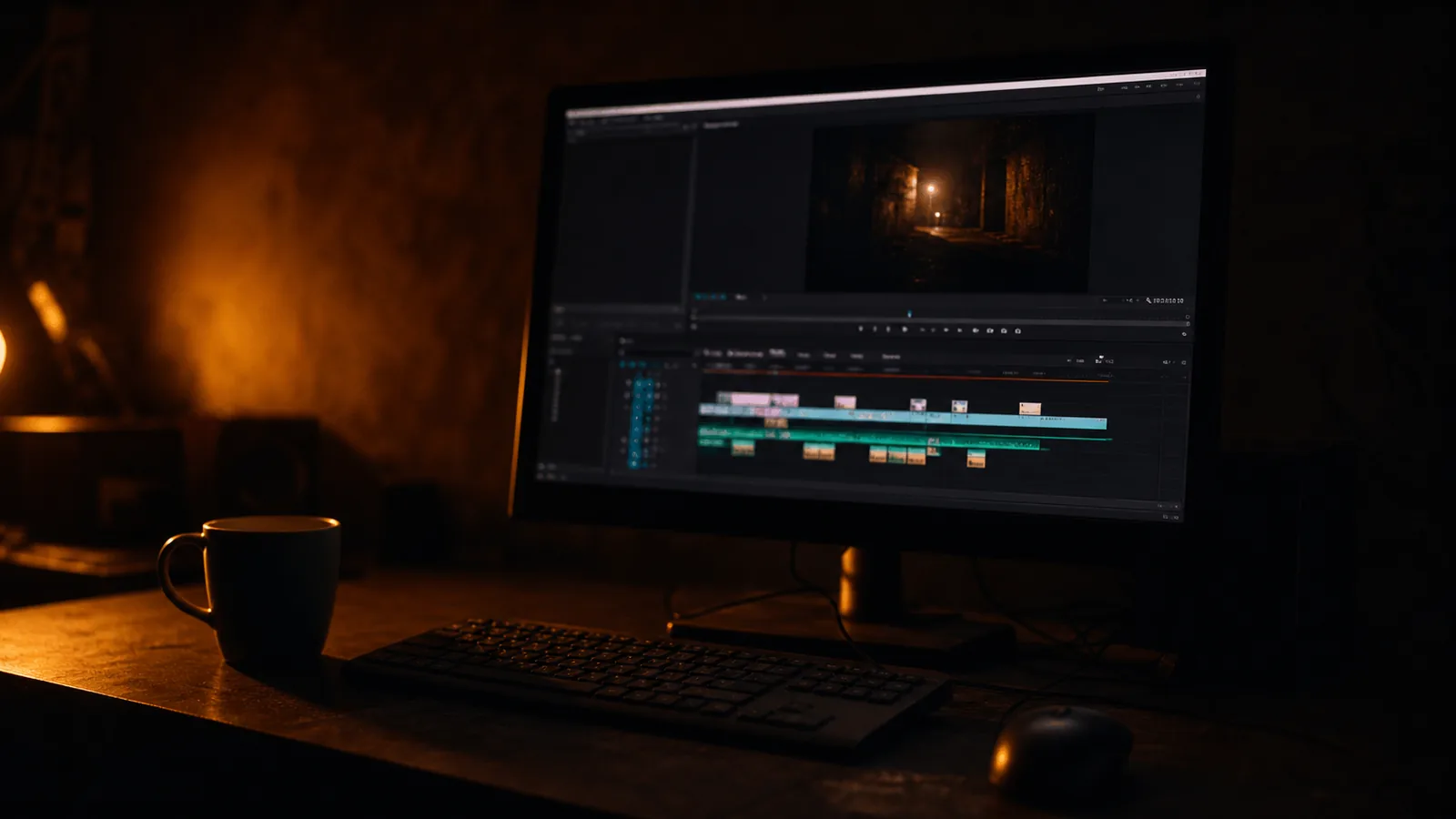
Free Video Editing Software That Is Genuinely Good Enough
Not a listicle of free options. Four that are actually usable, what each is genuinely good at, and the point at which free stops being enough.
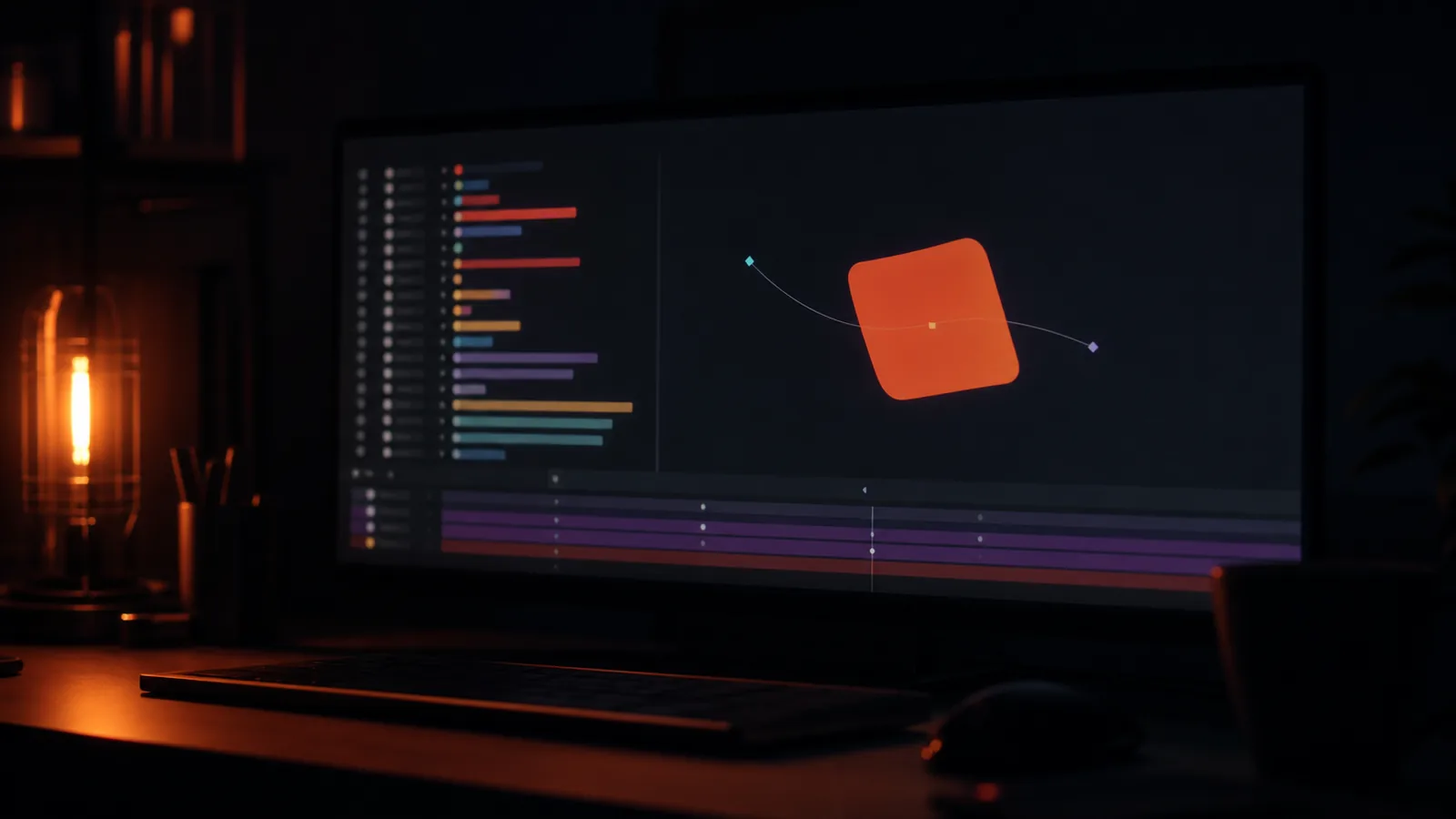
Do You Need After Effects If You Have Premiere?
They overlap on paper and almost not at all in practice. Here is the line between them, and the four jobs that are the reason the second application exists.
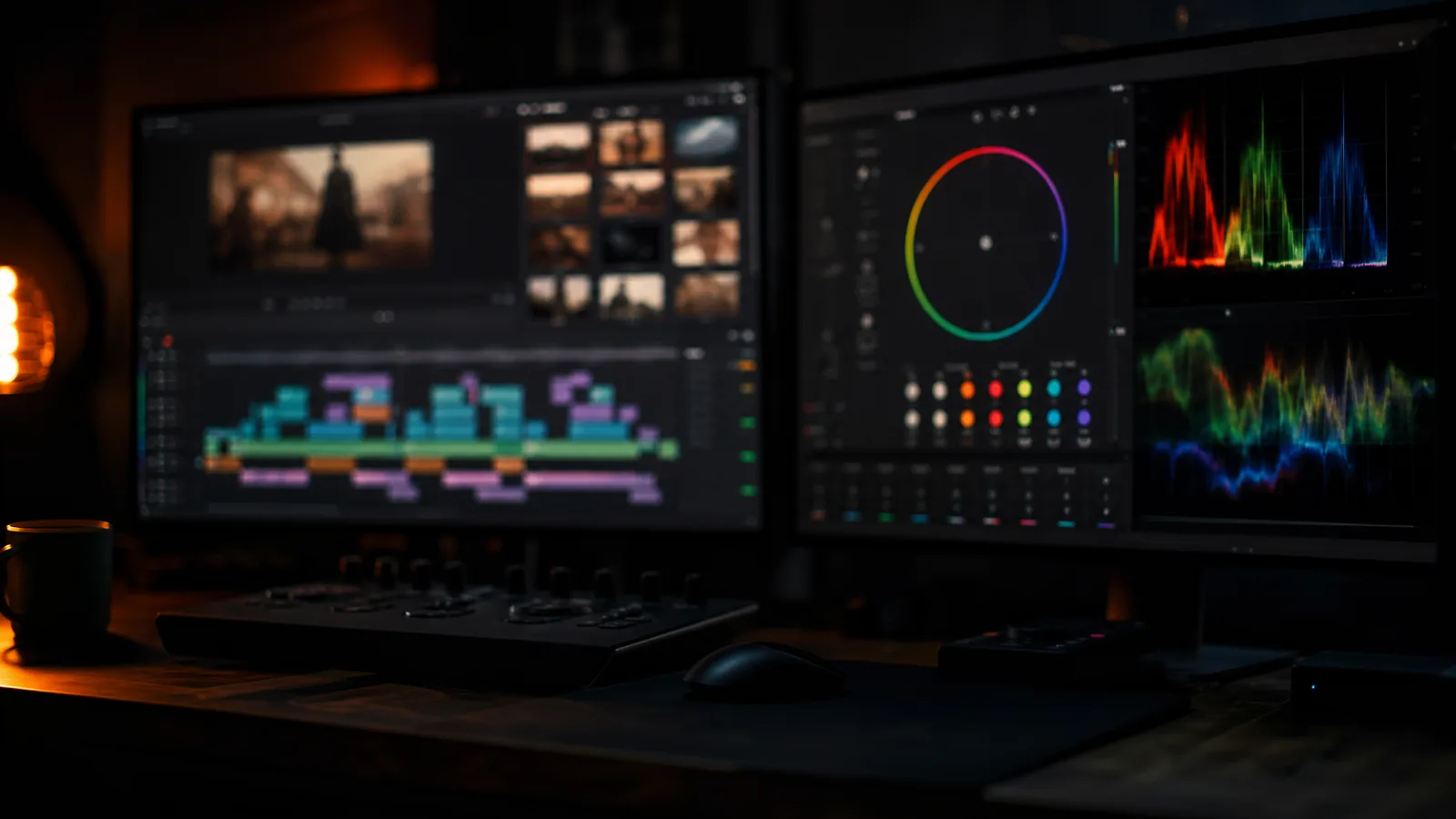
Premiere Pro vs DaVinci Resolve for Brand Work
Not which one is better, which one is better at the four things brand work actually needs. The answer changes depending on whether you are grading, round-tripping or handing over.
Motion & Graphics3
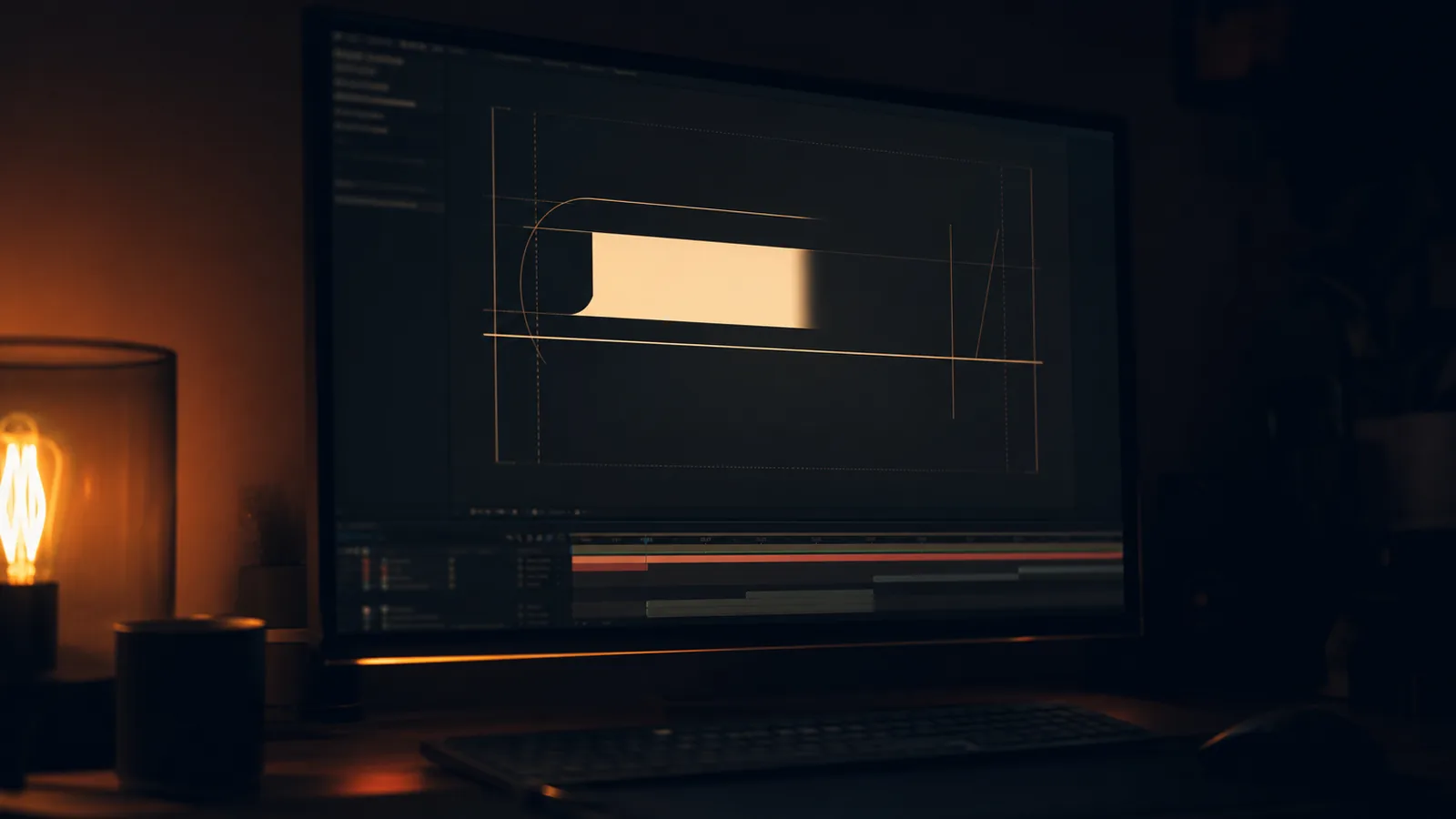
Titles That Do Not Look Like Templates
Template titles look like templates because they animate everything at once. Real title design animates one idea, and it is almost always restraint that sells it.
How Much Do Motion Graphics Cost?
Motion graphics are priced by the system behind them, not by the running time. Twelve seconds can cost more than two minutes, and the reason is worth understanding.
Do You Need a Video Editor or a Motion Designer?
They are different jobs, they are priced differently, and hiring one for the other's work is the most common way a project doubles in cost halfway through.
Sound & Colour6
Room Tone: The Cheapest Fix in Post
Thirty seconds of doing nothing on the day removes the single most common flaw in a finished film. It costs no money and most shoots do not record it.
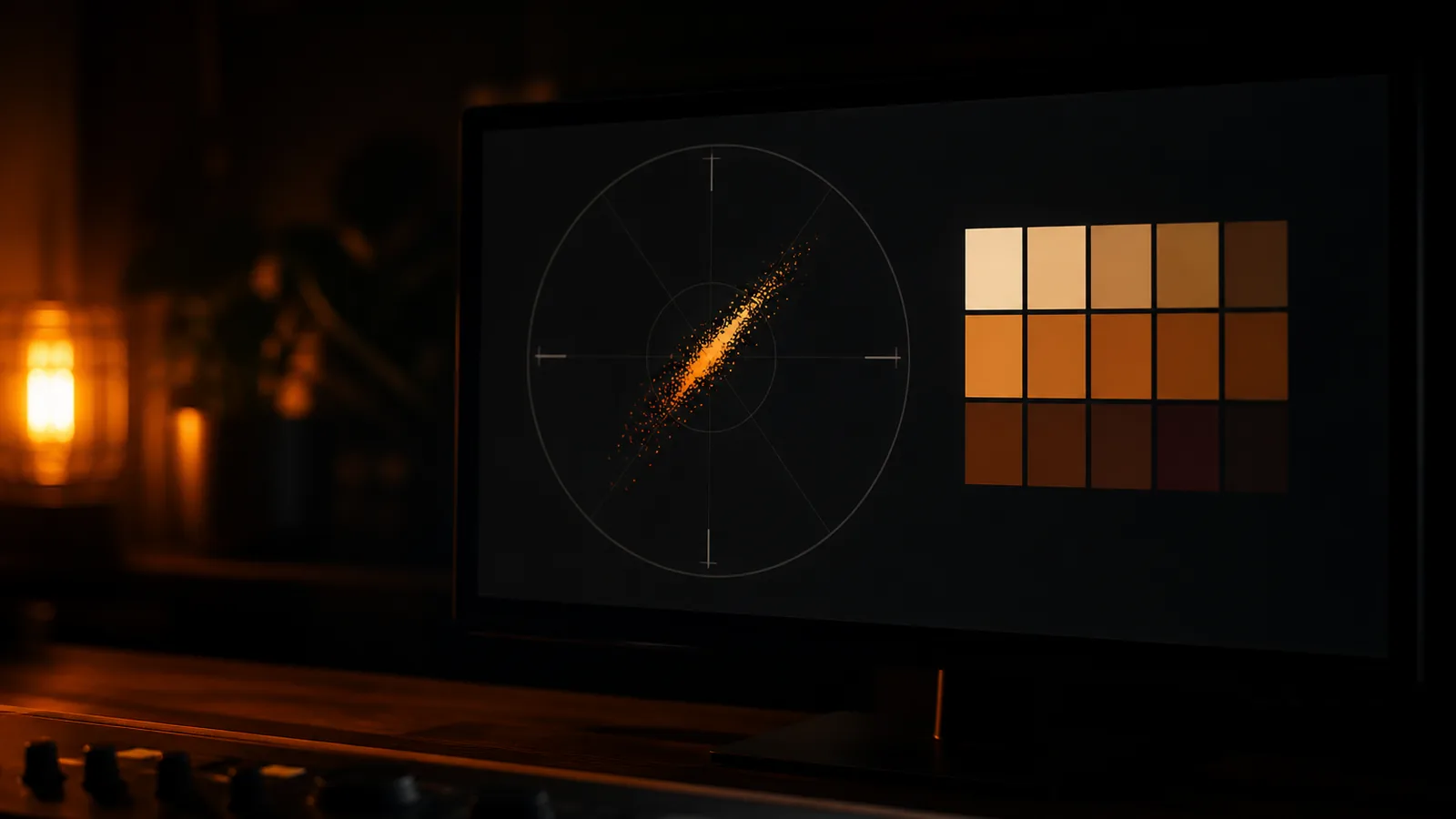
Skin Tones Are the Whole Grade
The audience forgives a strange sky. They never forgive a strange face. Everything else in a grade is arranged around getting one thing right.
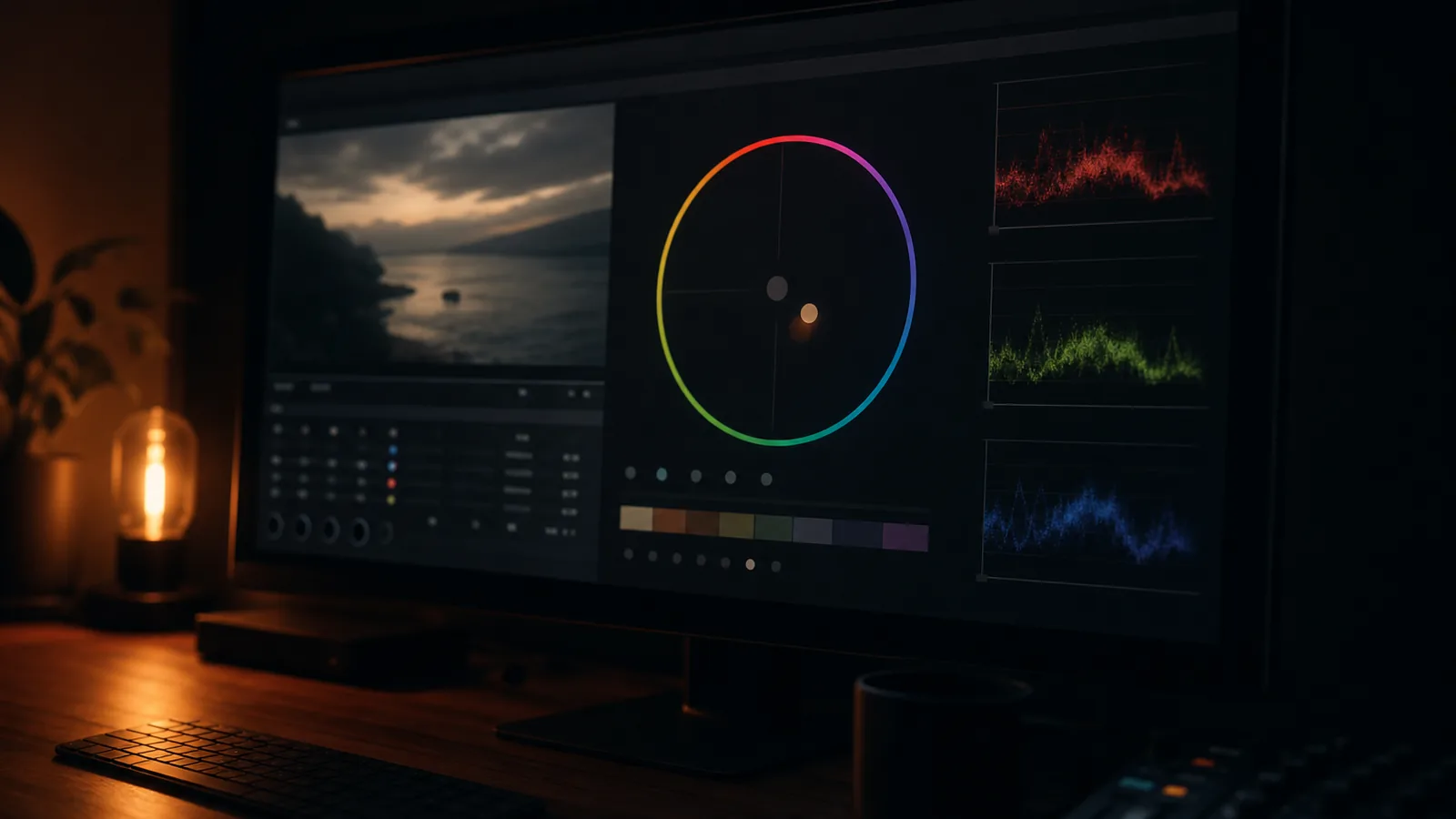
Colour Grading Is Not a Filter: What Actually Changes
A filter changes the whole image at once. A grade changes one thing at a time in sequence, turning flat footage into cinematic depth.
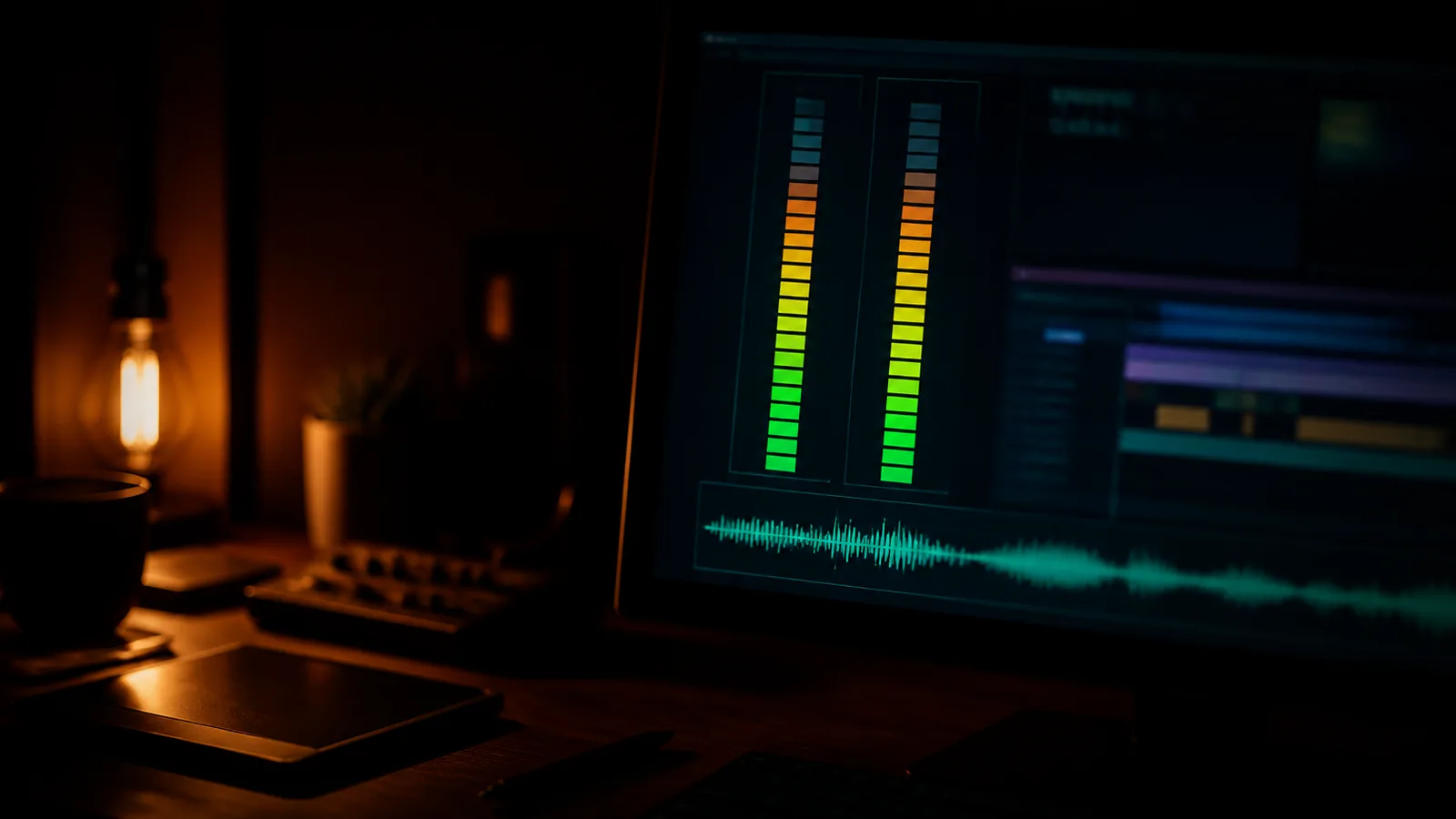
Loudness for Social Without Distortion
Every platform turns your film down. Knowing how much, and mixing for it, is the difference between a film that holds its own in a feed and one people skip.
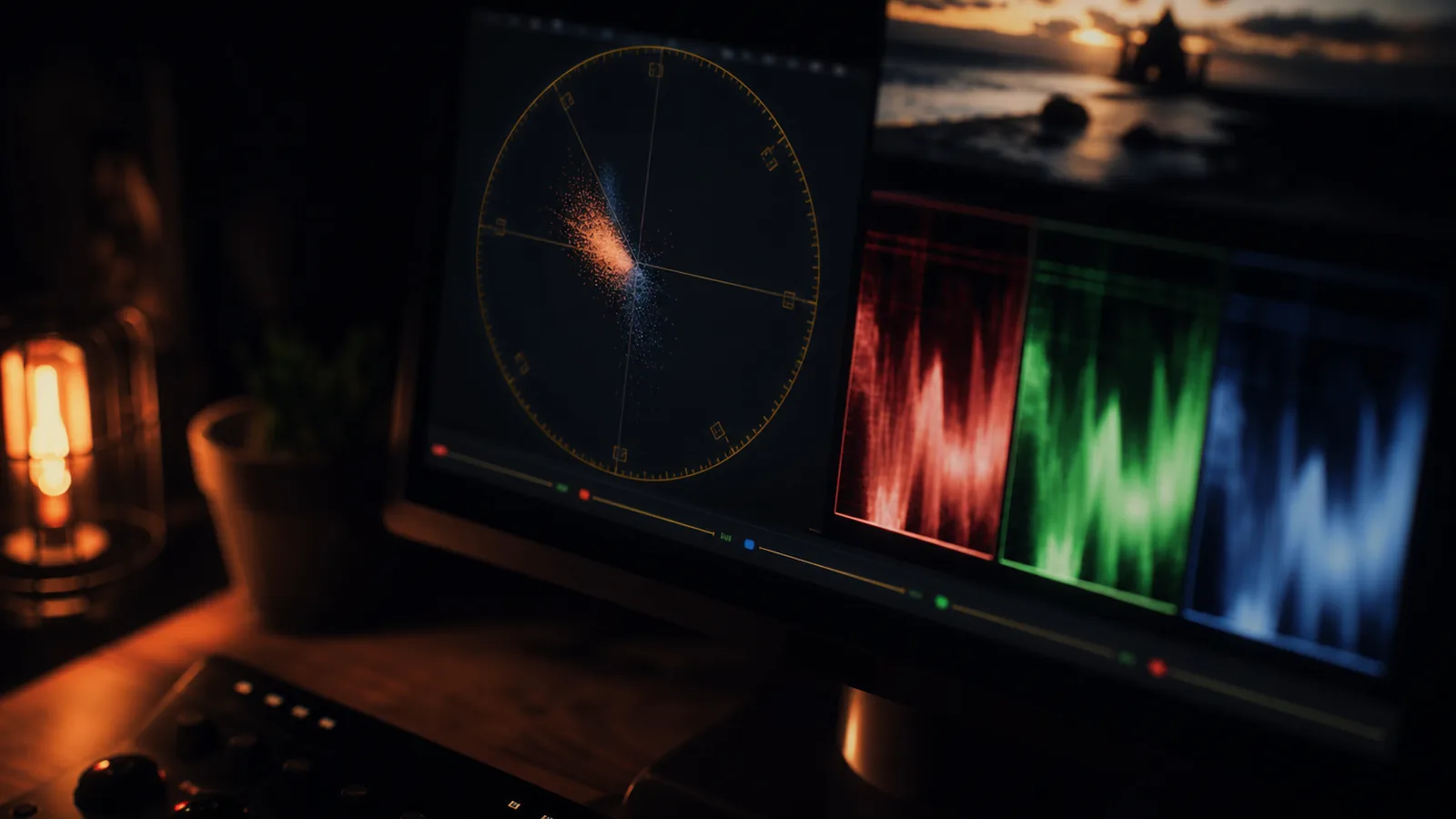
Why Your Video Looks Cheap (It Is Not the Camera)
A film rarely looks cheap from the camera. It comes from six fixable oversights, and five can be solved in an afternoon with existing footage.
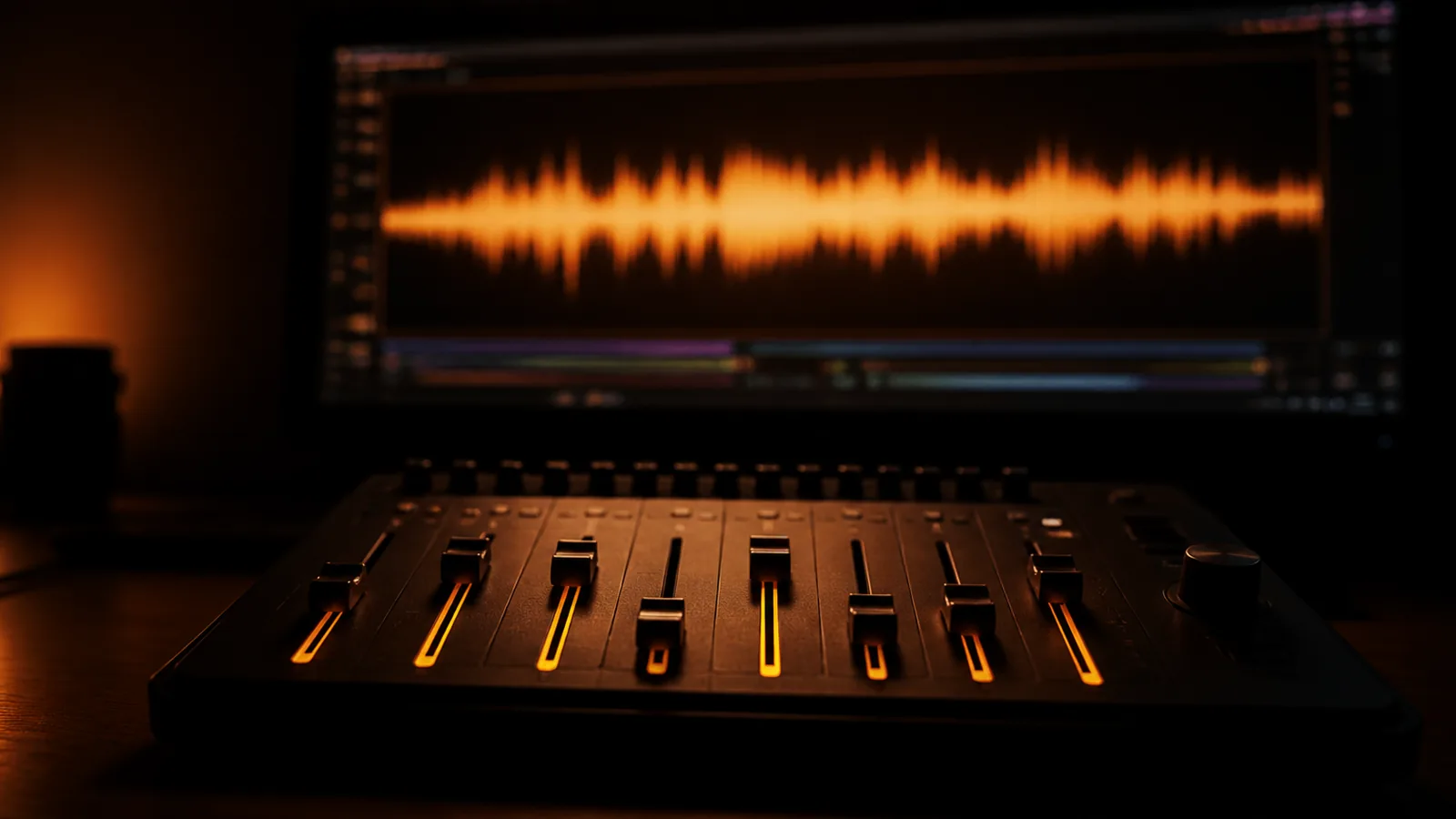
Your Audio Is Fine. Your Mix Is Not.
The mobile speaker test fails most videos, and it is rarely the recording. It is six omissions in the mix, and each is fixable in an afternoon.